
Data as a Key Tool in Migration and Humanitarian Response
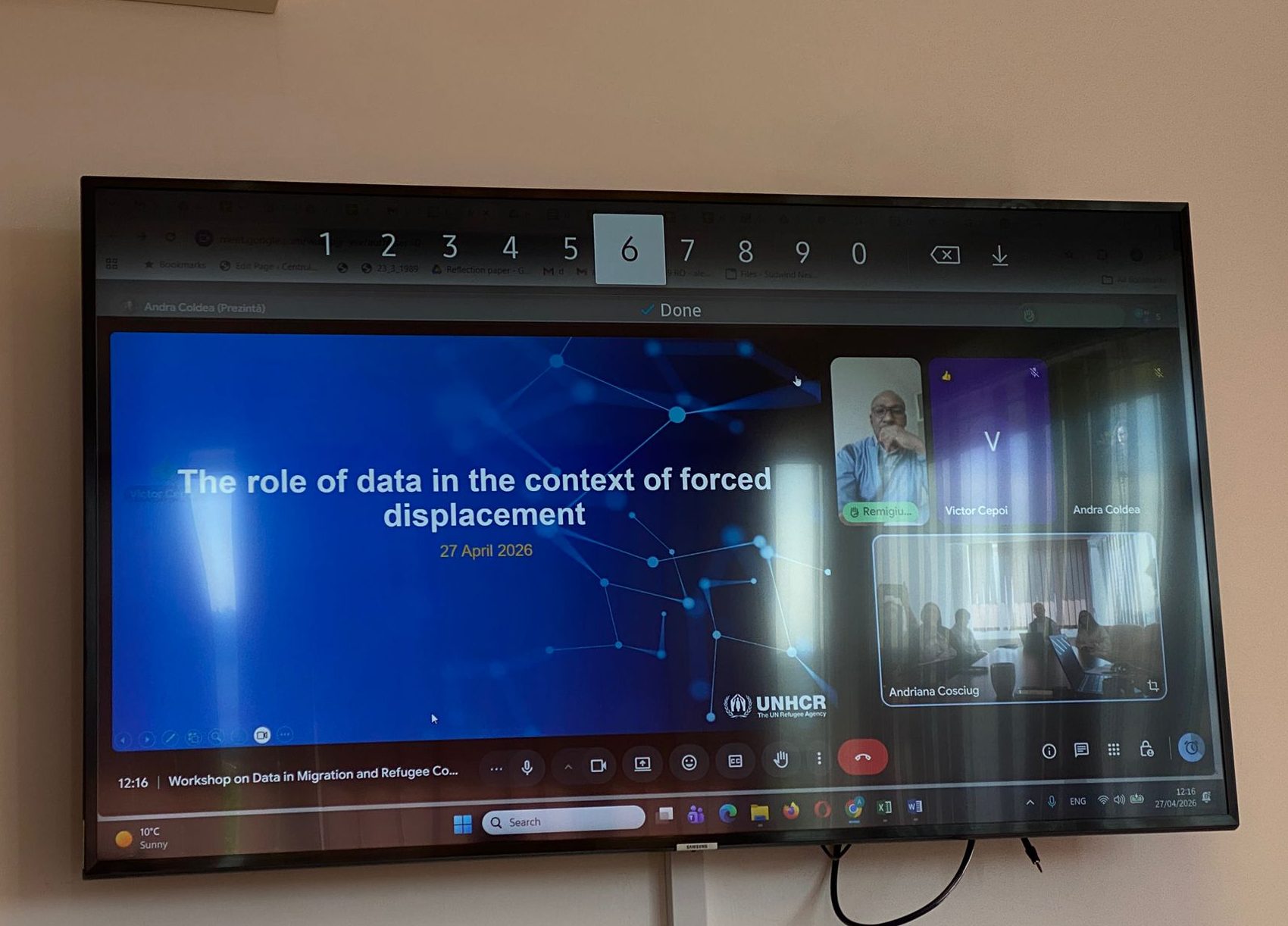
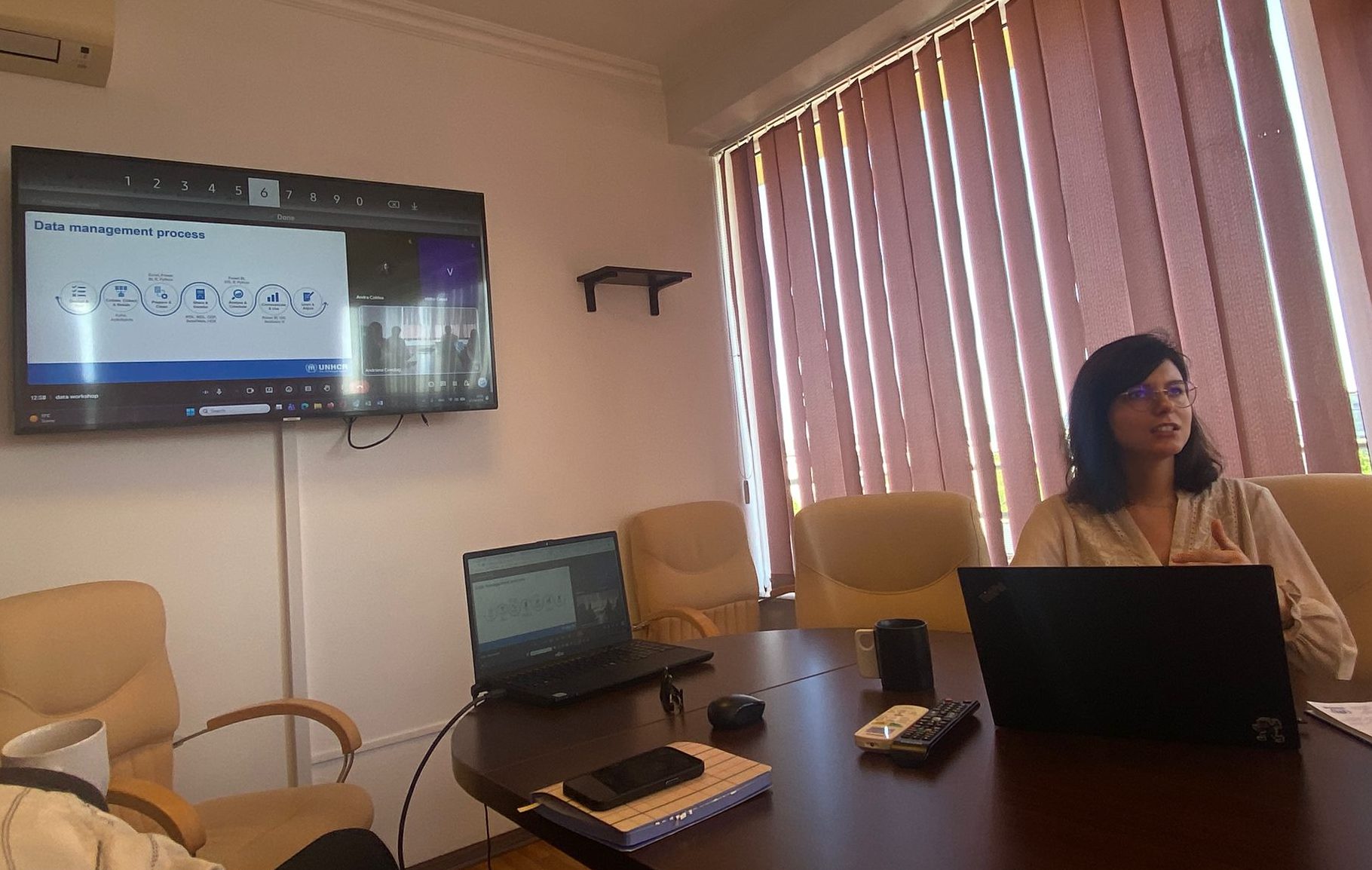
The workshop on the importance of data in the field of migration and refugees, organized by the Center for the Comparative Study of Migration (CSCM) at the Faculty of Political, Administrative and Communication Sciences (FSPAC), highlighted the essential role that data plays in humanitarian response and public policy development.
The guest speaker, Andra Coldea, a data management specialist with experience in the UK healthcare system and at UNHCR, provided practical insights into how data is collected, analyzed, and used in real-world crisis contexts. Starting from the international framework established by the 1951 Refugee Convention, the discussion addressed both the global scale of forced displacement and the specific dynamics of the Romanian context.
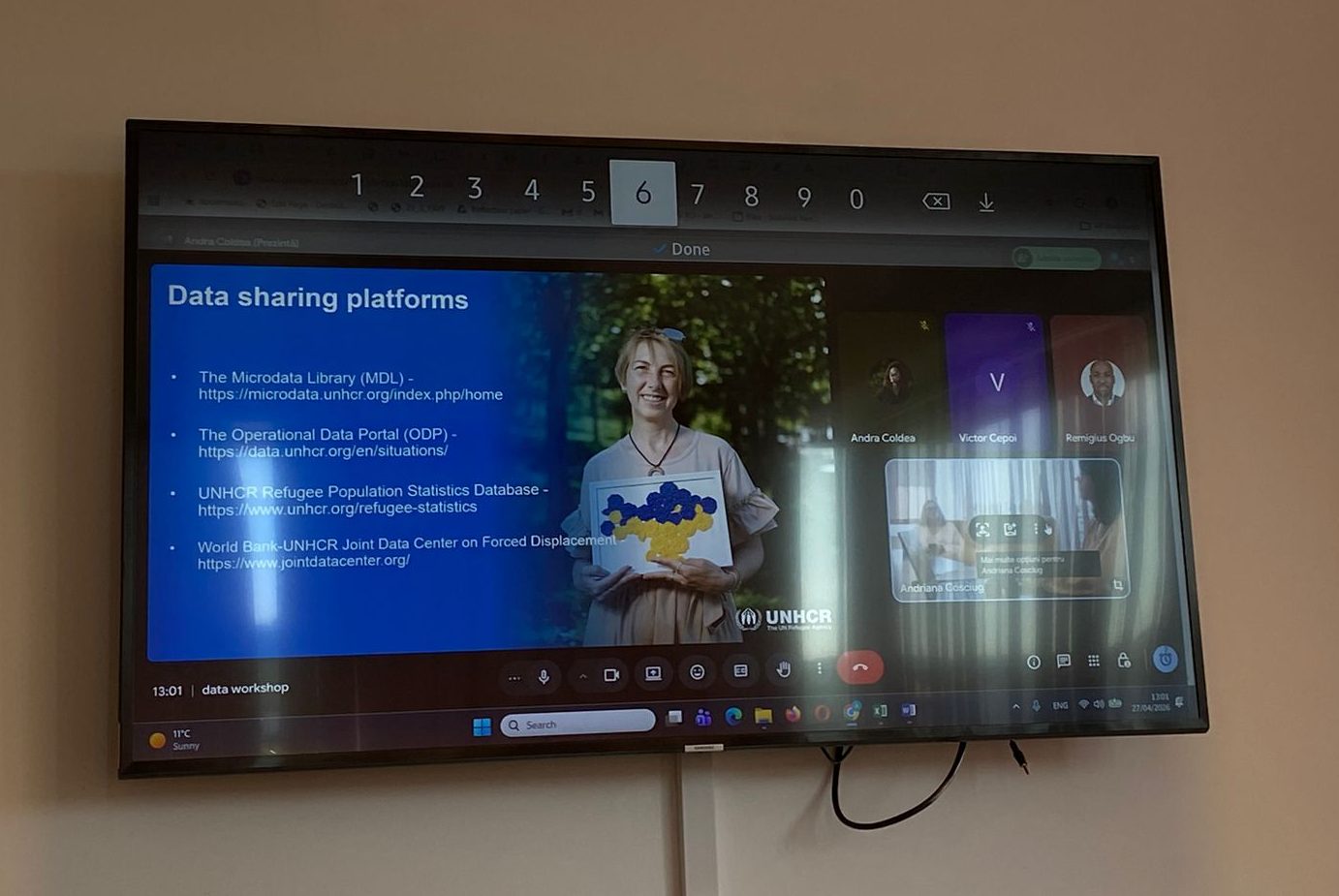
A central focus of the session was the concept of “information management,” understood as a coordinated and systematic process of collecting, processing, and using data to support evidence-based decision-making. In practice, this involves collaboration between public institutions, international organizations, and NGOs, as well as the use of diverse data sources — from administrative statistics to field research and direct monitoring of refugee conditions.
In a context marked by high mobility and rapid change, the effective use of data is crucial not only for immediate response, but also for the development of sustainable support mechanisms. Key challenges discussed included limited access to administrative data, difficulties in estimating the actual number of people present in the country, and the lack of inclusion of refugees in national statistical systems.
The session also emphasized the role of data in countering misinformation and shaping informed public narratives, which can contribute to reducing stigma and supporting the integration of refugees.
Overall, the workshop provided participants with a clearer understanding of how data functions as a critical tool not only for analysis, but also for protection, coordination, and intervention in the field of migration.